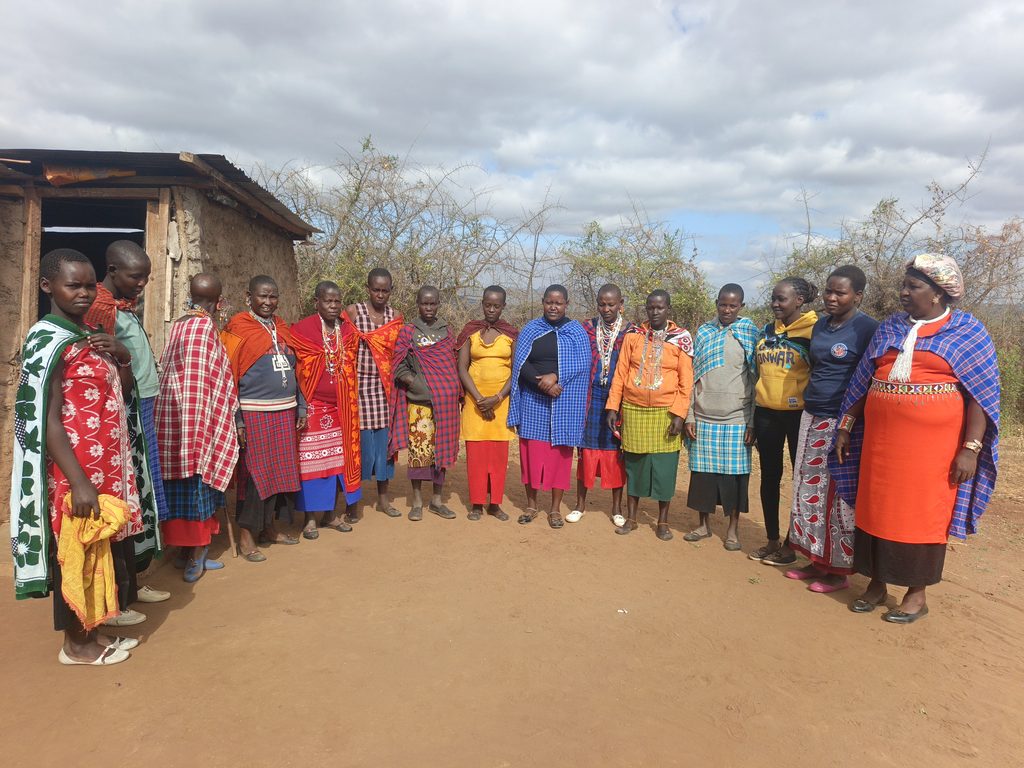
Maasai Kajiado Women Dairy Cooperative Society Engages Women in Focus Group Discussions on Food Production, Gender Equality, Resilience and Household Incomes in Indupa
Maasai Kajiado Women Dairy Cooperative Society has conducted Focus Group Discussions (FGDs) with community members in Indupa, Loodokilani Ward, Kajiado County, to assess the progress and impact of the WE Effect Project in strengthening livelihoods, promoting gender equality, enhancing household resilience and improving incomes.
The discussions provided an important platform for women and other community members to share their experiences, reflect on the changes brought about by the project and identify areas that require further support. Through open dialogue and shared experiences, participants explored how the project has influenced food production, household decision-making, economic opportunities and the overall well-being of families.
Strengthening Food Production and Household Nutrition
Food production was a key area of discussion, with participants reflecting on the importance of improving household food security and nutrition. The discussions highlighted the need to strengthen local food production, promote sustainable agricultural practices and encourage households to diversify their sources of food.
In a community where livelihoods are significantly influenced by climatic conditions and the availability of natural resources, strengthening household food production remains essential. Participants shared perspectives on the challenges they face and the opportunities available to improve food availability, access to nutritious foods and household self-reliance.
Advancing Gender Equality and Women’s Participation
The FGDs also examined the project’s contribution to gender equality, particularly in promoting women’s participation in household and community decision-making.
Discussions explored how women are increasingly engaging in economic activities, contributing to household welfare and participating in decisions concerning family resources and livelihoods. The conversations further highlighted the importance of shared responsibilities between men and women, mutual support and creating an environment where women can actively participate in development initiatives.
Promoting gender equality is essential in building stronger households and ensuring that women have opportunities to contribute meaningfully to their communities.
Building Resilience Among Households
Resilience was another important theme, with participants discussing how families are adapting to economic and environmental challenges. In the pastoralist context of Loodokilani, households continue to navigate challenges associated with changing weather patterns, drought, livestock productivity and fluctuating incomes.
The discussions provided an opportunity to reflect on the importance of livelihood diversification, improved resource management, savings and collective action in strengthening the ability of households to withstand shocks and recover from difficult circumstances.
The WE Effect Project seeks to support communities in building sustainable livelihoods and strengthening their capacity to respond to these challenges.
Improving Household Incomes and Economic Opportunities
Participants also shared their perspectives on household incomes, economic participation and the opportunities available to improve their financial well-being.
The discussions highlighted the importance of strengthening income-generating activities, improving access to markets, supporting women-led enterprises and encouraging savings and investment at household level.
For women engaged in dairy production and other livelihood activities, improved economic opportunities can contribute to greater financial independence, better household welfare and increased participation in local economic development.
Assessing the Impact of the WE Effect Project
Beyond the individual thematic areas, the focus group discussions provided an opportunity to assess the broader impact of the WE Effect Project in Indupa. By listening directly to community members, Maasai Kajiado Women Dairy Cooperative Society is able to understand the changes experienced by participating households, identify emerging needs and document lessons that can inform future interventions.
The discussions also reinforced the importance of community participation in development programming. The experiences and recommendations shared by participants provide valuable insights into what is working, the challenges that remain and the interventions needed to sustain progress.
Moving Towards Sustainable Community Development
The Focus Group Discussions in Indupa reaffirmed the importance of integrated community development approaches that address food production, gender equality, household resilience and economic empowerment together.
Through the WE Effect Project, Maasai Kajiado Women Dairy Cooperative Society continues to engage communities in conversations and initiatives aimed at strengthening livelihoods, empowering women and improving household well-being.
The insights gathered will contribute to understanding the project’s impact and identifying opportunities to deepen its reach and sustainability.
When women are empowered, households become stronger, communities become more resilient, and sustainable development becomes a shared achievement.